E-mobility is currently in a key phase. With over 40 million electric vehicles worldwide and rapid technological progress, it is not only the way we drive that is changing, but also the way we charge.
Intelliarts’ white paper “Tech Trends Shaping E-Mobility by 2030” highlights key trends and technologies that will shape the charging infrastructure by 2030. Among them: High Power Charging (HPC), vehicle-to-grid (V2G) and integration into existing energy systems.
The growth of e-mobility is creating new challenges and opportunities for the charging infrastructure. Companies such as Phoenix Contact E-Mobility are actively shaping this change.
Below you can find out how the trends described in the white paper interact with solutions from Phoenix Contact E-Mobility.
One thing is clear: e-mobility has long been suitable for everyday use.
The trend towards bringing ever higher charging powers quickly and safely into the vehicle continues unabated - from cars to utility vehicles. Current technology already allows charging from 10 % to 80 % in just 15 minutes. And we are still a long way from the end - charging times will soon be halved.
Fabian Lammers, Phoenix Contact E-Mobility

High Power Charging for passenger cars and utility vehicles
High Power Charging (HPC) is more than just a convenience feature – it is a central building block for widespread acceptance. Especially in long-distance traffic, the charging speed determines whether an electric vehicle is perceived as a fully-fledged replacement for the combustion engine.
- Charging times of less than 15 minutes make electric driving more practical
- New target groups are addressed
- Utility vehicles benefit in particular from high charging power

Vehicle-to-grid (V2G): Electric vehicles as part of the energy system
A particularly forward-looking and exciting aspect of e-mobility is the integration of electric vehicles into the energy system – keyword: vehicle-to-grid (V2G).
What is V2G?
V2G is an application of bidirectional charging: electric vehicles can not only draw energy from the supply network, but also feed energy back into it when required. This technology is based on the ISO 15118 standard, which enables standardized communication between the vehicle and the charging infrastructure.
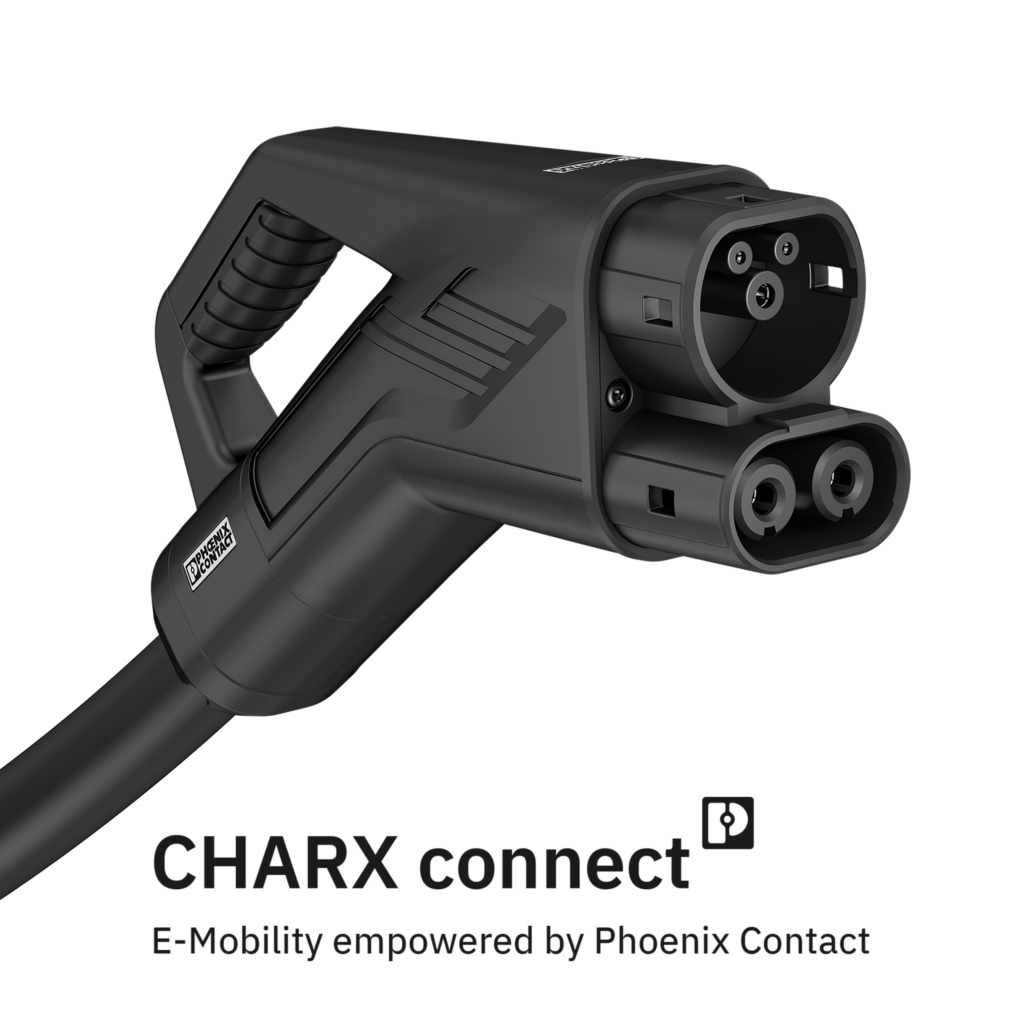
CCS charging cables are ideal for V2G applications. They enable safe, efficient and standard-compliant bidirectional charging – a crucial component for the practical implementation of this vision.
With vehicle-to-grid (V2G), the share of renewable energies in the energy mix can be significantly increased. Millions of electric cars can serve as buffer storage and thus help to stabilize the electricity grid. This makes them an important building block in the energy transition.
Fabian Lammers sums up the idea of vehicle-to-grid:
Combining the energy and mobility transition will make it possible that EVs soon will build a kind of national power bank. Each car – which is standing still (not driving) for 23 hours a day on average – is then not only a consumer of energy anymore, but rather a supplier. [...] This is what makes e-mobility unique: with V2X we have the potential to stabilize the grid while making climate neutral mobility accessible and aordable for everyone.
Fabian Lammers, Phoenix Contact E-Mobility

This perspective shows how profound the transformation is: electric vehicles are becoming active elements in energy management – with positive effects for grid stability, sustainability and economic efficiency.
Integration of fast charging stations into existing DC charging infrastructures
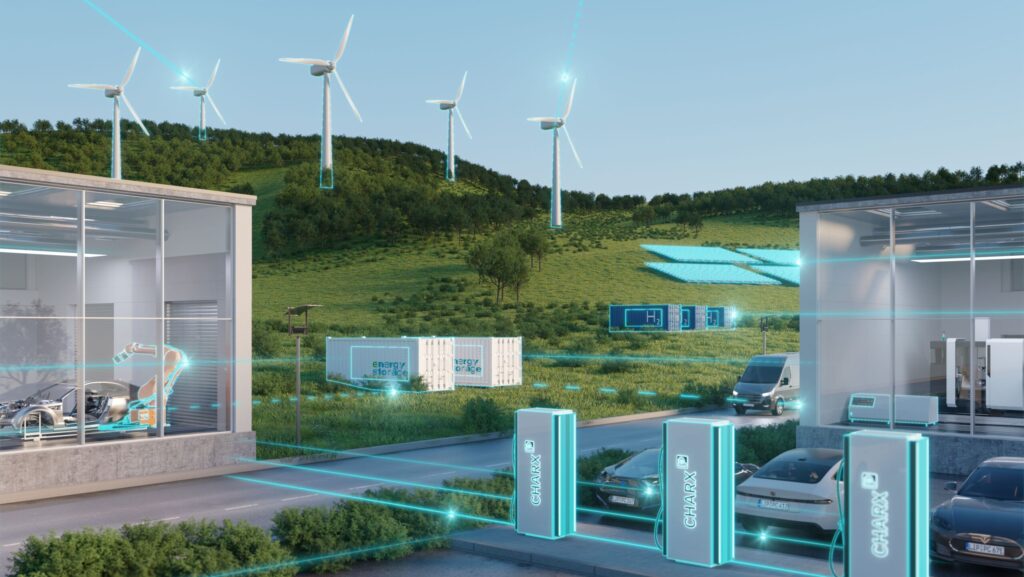
Another important trend is the direct integration of DC fast charging stations into existing DC grids, especially in industrial applications. This solution not only makes technical sense, but is also a logical step towards energy efficiency and resource conservation. This type of integration opens up new possibilities for energy management in companies and is another building block on the way to a networked, sustainable energy future.
Download the full white paper from Intelliarts and learn more about technology trends in the field of e-mobility.
FAQ
Frequently asked questions
What is High Power Charging (HPC) and why is it important for electromobility?
High Power Charging (HPC) refers to ultra-fast charging of electric vehicles with high charging capacities. This technology is essential for significantly reducing charging times and improving the everyday usability of EVs. For charging infrastructure operators, HPC increases attractiveness and customer loyalty.
How does Vehicle-to-Grid (V2G) work and what benefits does it bring?
Vehicle-to-Grid (V2G) allows electric vehicles to feed excess energy back into the power grid. EVs can act as mobile energy storage units, improving grid stability and supporting renewable energy integration. For fleet operators and energy providers, V2G opens up new business models.
What role do HPC and V2G play in the mobility transition by 2030?
By 2030, HPC and V2G will be key technologies driving the mobility transition. HPC ensures short charging times and greater EV adoption, while V2G optimizes energy use by balancing load peaks and leveraging renewable energy.
Discover suitable products now
Here you will find a selection of relevant products – based on the topics and recommendations from our blog post.